Wardogs Season 2 Update in 2026 Brings Big Logistics, Vehicle and Economy Changes
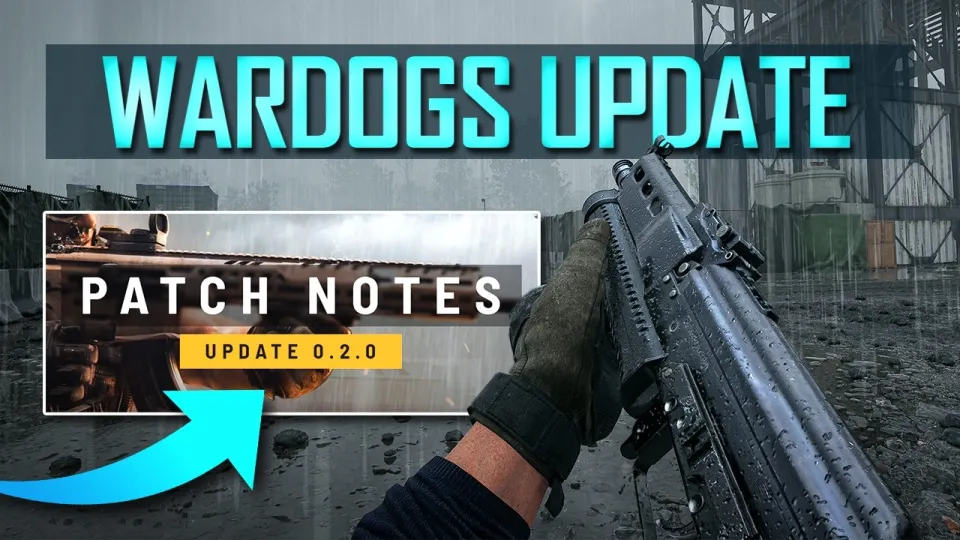
Video: WARDOGS New Season 2 Update ► EVERYTHING You Need To Know
You can order the same kind of articles for your own video to boost it on YouTube and Google. Just message the Telegram bot @sat_sit_bot. Articles with your video embedded are written and posted by the bot itself — on popular topical sites (no ads). Try it free: 50 articles on us.
Key takeaways
- Season 2 of Wardogs (update 0.2) went live in mid-October 2026 and is the largest economy rework since launch.
- Logistics payouts now scale with delivery streaks: a 10-streak pallet pays a $1,250 base plus a $2,500 bonus outside the combat zone.
- The minigun Little Bird costs roughly $14,000 fully loaded with three flares, and its price went up again in Season 2.
- FOB construction and logistics were hit with across-the-board nerfs, roughly tripling the effort needed for the same returns.
- A new anti-air vehicle, the Gepard, was added alongside a 16% damage nerf to .50 cal weapons.
The Wardogs Season 2 update is a wide rework of the game's economy, logistics and vehicle balance, and it went live in mid-October 2026 as update 0.2. The headline changes are reworked delivery payouts for logistics drivers, higher prices and new anti-air options for pilots, across-the-board nerfs to FOB construction, and damage tuning that affects snipers and .50 cal gunners. A full breakdown of every change is available on the GhostGaming Twitch channel, where the patch is walked through live.
What Wardogs Season 2 changes at a glance
Season 2 is best understood as an economy patch with vehicle and weapon tuning attached. The developers reworked how money is earned across almost every role, and the direction of travel is consistent: infantry combat pays better relative to support roles, while logistics and base building require more trips and more materials for comparable returns. Several systems that were introduced in Season 1, such as delivery streak bonuses, were expanded rather than removed.
The patch is officially numbered 0.2 and its full notes are published on the Wardogs Steam news page. Players returning after a break should expect different prices in the vehicle menu, different payout numbers for supply deliveries, and a longer grind for certain optics and vehicle unlocks.
Logistics payouts and the new streak bonuses
Logistics money is now tied to delivery streaks, and the numbers are bigger than they first appeared. The figures initially shown for streaks applied outside the combat zone; the updated patch notes clarify that a pallet delivered at a 10 streak pays a $1,250 base plus a $2,500 bonus. The intent is to reward drivers who keep supply runs going without dying, rather than paying a flat rate per crate.
The practical effect is that a single long life behind the wheel can now clear six figures in a match, which was not realistic before. The trade-off is volume: the bonus structure rewards repeated trips, so a driver who makes one big delivery and then stops earns far less than someone running a steady loop. Short runs into contested areas still carry the old risk, and losing the truck resets the streak.
Vehicle prices, the minigun Little Bird and the Gepard
Air vehicles became more expensive to field. A minigun-armed Little Bird costs around $14,000 when fully loaded with three flares, and Season 2 raised that price further. Because helicopter earnings depend on kill streaks and careful flare use, a single mistake can wipe out thousands of dollars of investment, which makes the air role less forgiving than it was in Season 1.
On the other side of the ledger, anti-air options expanded. A new anti-air vehicle, the Gepard, joins the roster, and .50 cal damage was reduced by 16%. That reduction is significant for armor: tier 2 armor can now survive a shot from the end-game sniper rifle where it previously could not. Helicopter pilots also lose some safety margin to the Browning turret, which becomes a more credible threat against low-flying aircraft.
FOB building and the support-role economy
Forward operating bases took the heaviest hit in Season 2. Construction costs, supply requirements and payout rates were all adjusted in the same direction, so building a FOB that can actually hold ground now takes roughly three to four times the work for the same return. Players who enjoyed running supplies and hammering walls describe the role as significantly less attractive, and that matters because a base without logistics support cannot stay supplied.
The URAL truck, the workhorse of supply runs, also earns less per trip than before, which pushes drivers toward more, shorter deliveries to stay profitable. The concern raised most often is a knock-on effect: if logistics pays poorly, fewer players will spawn supply trucks to keep a FOB's ammo from running dry, and bases that were already struggling late in Season 1 may become rarer still.
Weapon, optic and progression tuning
Weapon tuning in Season 2 is mostly small, with a few exceptions that matter. The SKS bipod went from $800 to $810, a change that is functionally irrelevant and has become a running joke among players. The .50 cal nerf is the meaningful one, since it shifts the sniper-versus-armor matchup in favor of anyone wearing tier 2 plates.
Progression also changed. Several low-zoom, minimalistic optics now unlock much later, which frustrates players who simply want a clean red dot sight without magnification. Drivers face a similar complaint: the leveling curve for the driver role was adjusted, but the practical grind to reach high driver levels is roughly unchanged. Variable zoom scopes remain awkward to use because of keybind issues that were not addressed in this patch.
Common player concerns about Season 2
Three worries come up repeatedly among players who have tested the patch.
- Logistics is less rewarding per trip. Drivers report that the new streak bonuses require many more runs to match what a frontline infantry player earns in the same time, and the URAL in particular pays less than before.
- FOBs may become obsolete. With construction costs up and supply payouts down, the effort-to-reward ratio for base building is the worst it has been, and players who enjoy that loop are waiting for a follow-up patch.
- Pilots are squeezed from both sides. Higher aircraft prices combine with new anti-air options and the .50 cal nerf, so helicopter play may see less use early in the season until players adapt.
A frequent counterpoint is that infantry players are now the clear winners of the economy rework, and that the game is moving toward rewarding direct combat over support work.
Useful links from the breakdown
- GhostGaming on Twitch
- GhostGaming on Twitter
- GhostGaming Discord
- GhostGaming on TikTok
- Full Wardogs 0.2 patch notes on Steam
Bottom line on the Wardogs Season 2 update
Season 2 reshapes Wardogs around infantry combat and makes support roles more demanding. Logistics drivers can earn more in a single life than ever before, but only by running more trips with the new streak bonuses, and FOB builders face three to four times the effort for the same result. Pilots pay more for aircraft while contending with the Gepard and a stronger Browning turret, and the 16% .50 cal nerf changes sniper matchups against tier 2 armor. For a full walkthrough of every number in the patch, watch the GhostGaming breakdown and follow the channel live on Twitch.
Questions & answers
How much does a logistics delivery pay in Wardogs Season 2?
Payouts scale with delivery streaks. A pallet delivered at a 10 streak pays a $1,250 base plus a $2,500 bonus, and those figures apply outside the combat zone. The bonus structure rewards drivers who keep a run going without dying, so a single long life can now clear six figures.
Is the minigun Little Bird still worth buying in Season 2?
It is harder to justify. A fully loaded minigun Little Bird with three flares costs around $14,000, and Season 2 raised the price further. With kill streaks and flare discipline required to recoup that investment, a single mistake can wipe out thousands, so many players are holding off until they see how the new anti-air options play out.
Did the .50 cal nerf change sniper fights?
Yes. .50 cal damage was reduced by 16%, which means tier 2 armor can now survive a shot from the end-game sniper rifle. The change shifts the sniper-versus-armor matchup and also affects .50 cal turrets used against low-flying helicopters.
Why are players unhappy with the FOB and logistics changes?
Construction costs, supply requirements and payout rates were all adjusted in the same direction, so a working FOB now takes roughly three to four times the effort for the same return. Drivers also earn less per URAL trip. The worry is that fewer players will run supplies, leaving bases without ammo and making FOBs rare.
Source: WARDOGS New Season 2 Update ► EVERYTHING You Need To Know · Markdown version